
Carbon Accounting & Product Carbon Footprint
The manufacturing data behind a cost model — material mass, process route, energy consumption, transport and supplier site — is the same data required for carbon accounting. We use one data set for both.
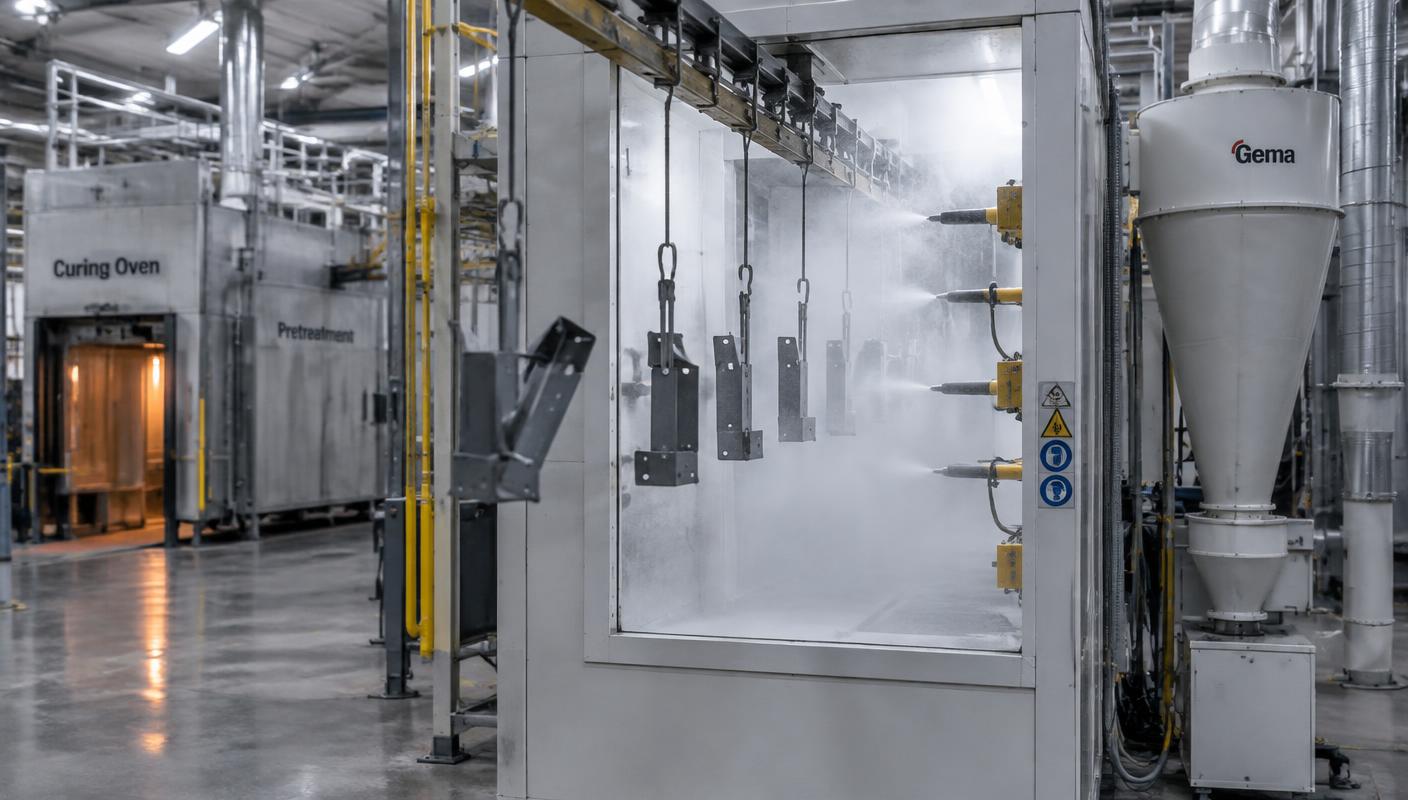
Carbon accounting is one capability within our cost engineering work, not a separate discipline: the same process data supports cost transparency and CO₂e transparency.
- Product Carbon Footprint
- Scope 1–3
- Supplier CO₂ Data
- CBAM
- Manufacturing Carbon Cost
Product Carbon Footprint
CO₂e is calculated along the same process chain as the cost model: material grade and mass, recycled content, process route and yield, energy consumption and grid mix, transport mode and distance.
Scope 3 & supplier data
Purchased goods and services dominate the footprint of most manufacturing companies. We work with supplier site data where it exists and identify where secondary data is being used instead of primary data.
CBAM
Support for the reporting requirements on imported goods in scope, based on the manufacturing and supplier data already collected for cost analysis.
Manufacturing carbon cost
Emissions are linked to the process parameters that drive them — energy per cycle, scrap, material yield — so the effect of a process or design change can be assessed on cost and carbon together.
Supplier carbon transparency
The same structured discussion used for cost breakdowns is applied to emissions data, making supplier figures comparable and traceable to a manufacturing process.
Decarbonization opportunities
Identified measures are quantified per part and per process, with their cost effect stated alongside the CO₂e effect. Identified opportunities are tracked separately from implemented results.
Cost and carbon from one data set.
If you already have cost models or supplier process data, the carbon view is often closer than expected.