
Design to Cost & Cost Reduction
Most of a product's cost is determined before the first part is produced. Material selection, process route, tolerances, part complexity, tooling concept and assembly sequence decide what the part will cost in series.
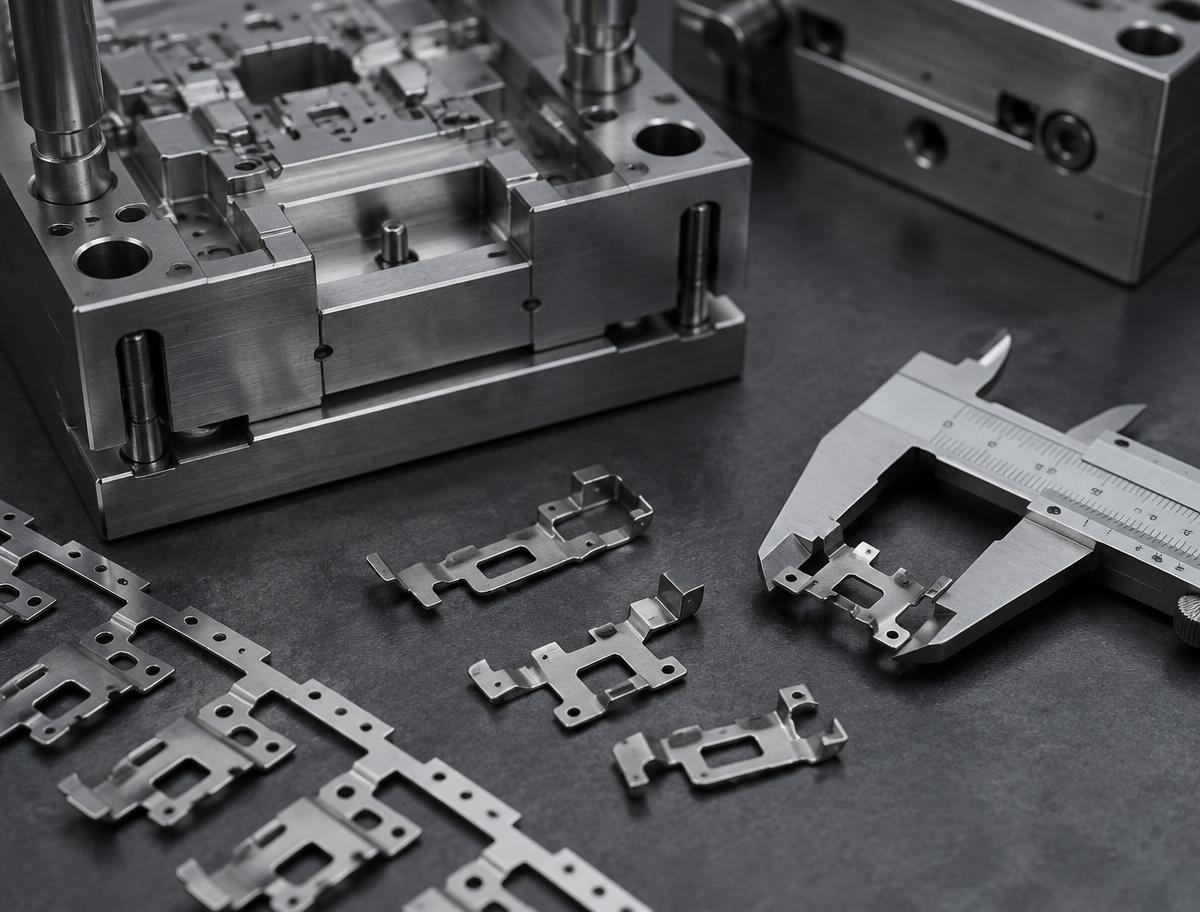
Design-to-Cost is an engineering exercise. We assess the design against manufacturing economics and quantify the cost effect of each alternative.
- Design-to-Cost
- Value Engineering
- VA/VE
- Cost Optimization
- Product Cost Reduction
- Manufacturing Optimization
Cost Drivers in Product Design
Each design feature is traced to its cost effect: wall thickness and mass, tolerance requirements, surface specifications, number of operations, fixturing effort and the number of parts in the assembly.
Material Optimization
Grade, semi-finished format, mass and yield are reviewed against functional requirements. Reduced material usage and improved yield are quantified in the cost model, not estimated.
Manufacturing Process Optimization
Alternative process routes are compared on cycle time, machine rate, setup, scrap and tooling investment — including the volume at which a different route becomes the lower-cost option.
Make-or-Buy Analysis
Internal manufacturing cost is modelled with the same logic as a supplier quotation, so make-or-buy decisions rest on comparable cost structures including investment and capacity effects.
VA/VE
Function-driven review of the product and its manufacturing process: eliminate cost that carries no function, simplify what remains, and verify feasibility with the manufacturing side before the change is proposed.
Supplier Cost Reduction
Design changes are translated into supplier cost effects and discussed on the basis of the underlying process, so the saving can be traced to a concrete manufacturing change. Savings potential is assessed per part and per process — no generalized percentage claims.
Cost is designed into the product.
Send us a drawing, a BOM or a design concept and we will assess its cost drivers against manufacturing reality.